
Jacques Derrida wrote in Archive Fever, “It is to burn with a passion. It is never to rest, interminably, from searching for the archive, right where it slips away. It is to run after the archive, even if there’s too much of it, right where something in it anarchives itself.” In the British Library, while listening to the daily announcement from loudspeakers at exactly 3:45 pm telling everyone that the request window for documents, books, etc. for the day will close in 15 minutes, I remembered that Derrida used the French phrase mal d’archives in the original. Mal in French means pain, ache, or physical discomfort in bodily contexts (avoir mal is to be in pain), but it can also mean (as much as things mean anything) difficulty, evil, harm, or wrongness (le mal is evil; faire du mal is to do harm), and so it could be archive pain, archive ache, archive discomfort, archive evil, archive harm, archive illness, archive difficulty, etc.
Having spent hours sitting in uncomfortable chairs, without food or water or even pens, reading and photographing folios, between appointments and disappointments, I understood Derrida, at least in the literal sense, or in the mal-sense. On the first day, the woman making my reading pass had warned me, “the days will start blending into each other” and so they have, to the point that I am only half sure that I am writing this from my bed, with Rastafarian music and weed smoke from the pavement below wafting into my room through the window, and not the reading room of the British Library because how can I be really certain that, like Alice, I hadn’t fallen into a rabbit hole, in another moment down went Alice after it, never once considering how in the world she was to get out again the rabbit-hole went straight on like a tunnel for some way, and then dipped suddenly down, so suddenly that Alice had not a moment to think about stopping herself before she found herself falling down a very deep well either the well was very deep, or she fell very slowly, for she had plenty of time as she went down to look about her and to wonder what was going to happen next,
What happened next was that as I was reading the manuscript, the almost endless repetition of the cursive letters made me wonder if I was not hallucinating all of it, the letters, the writer of those letters, myself, my life, the people around me, the building, the garden house of 19th century Calcutta, or the screeching ambulances of 21st century London, and if I did not exist at all, then who was it that I sometimes saw in mirrors or windows, and who was the I seeing it? Was I really in London in 2026 because if I were, how could I simultaneously be in the suburbs of Calcutta in 1873, and if I were somehow here and there, could I walk out into the garden in Chitpore with cobras, mangoes, litchies, and cats named Baguette, how she longed to get out of that dark hall, and wander about among those beds of bright flowers and those cool fountains, but she could not even get her head through the doorway; “and even if my head would go through,” thought poor Alice, “it would be of very little use without my shoulders. Oh, how I wish I could shut up like a telescope! I think I could, if I only knew how to begin.” For, you see, so many out-of-the-way things had happened lately, that Alice had begun to think that very few things indeed were really impossible.
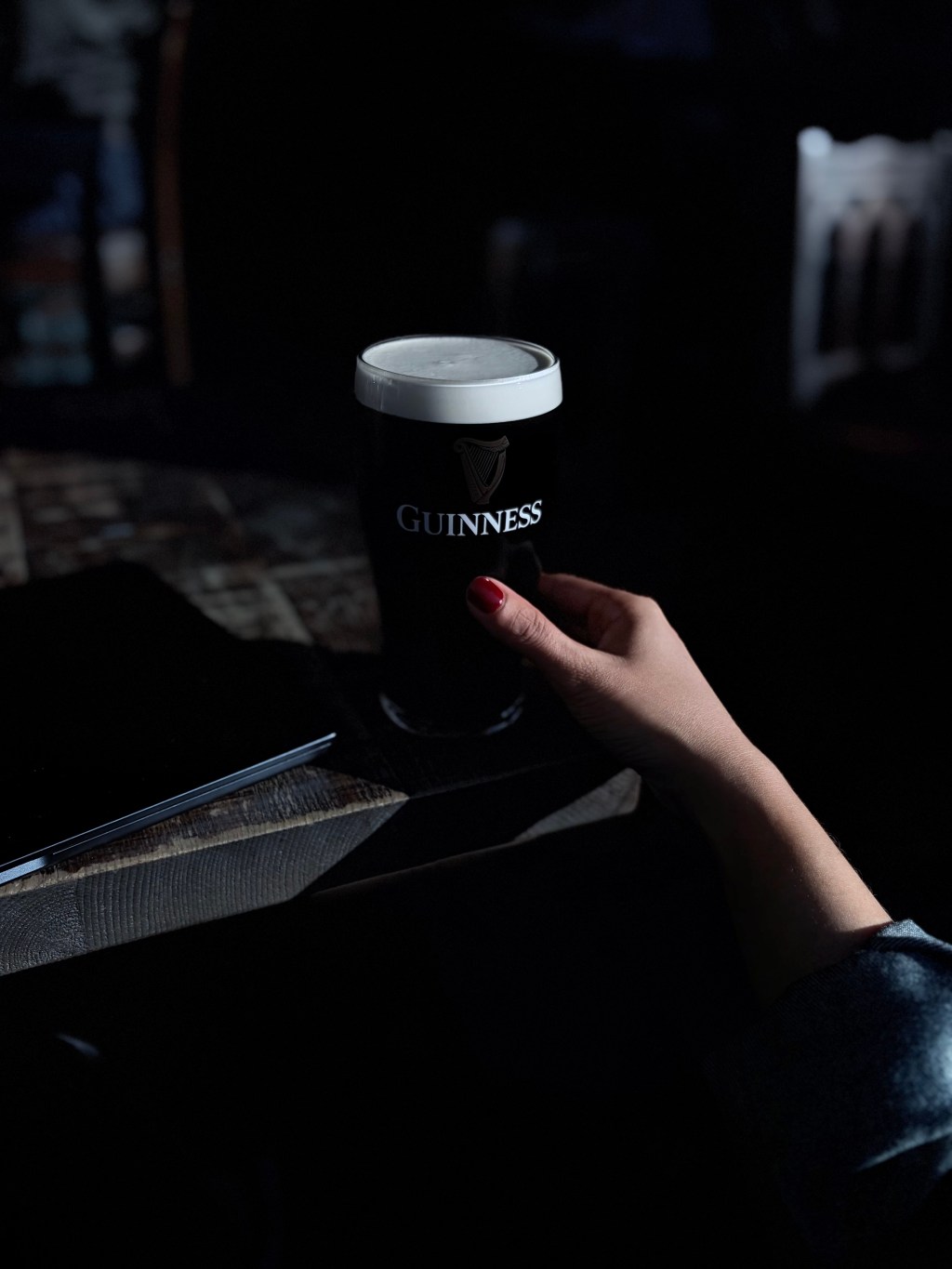
At exactly 5 pm, the reading rooms of the library close. Outside the archives, the world seems strange, less and less itself. The bitter pint of Guinness in the Irish pub outside the archives tastes like mangoes of a long gone Indian summer.

