
“A vast black sleep,
falls over my life,
sleep, all hope,
sleep, all desire.”
Born in Metz, to a petit-bourgeois family, Paul Verlaine first published his collection of poems in French titled Poèmes saturniens (saturnian poems) at the age of twenty-two that established his reputation as a formally experimental poet. This was followed by Fêtes galantes (1869), inspired by eighteenth-century pastoral scenes, and La Bonne Chanson (1870), dedicated to his first wife with whom he had a son. However, before he composed his later works, something happened.
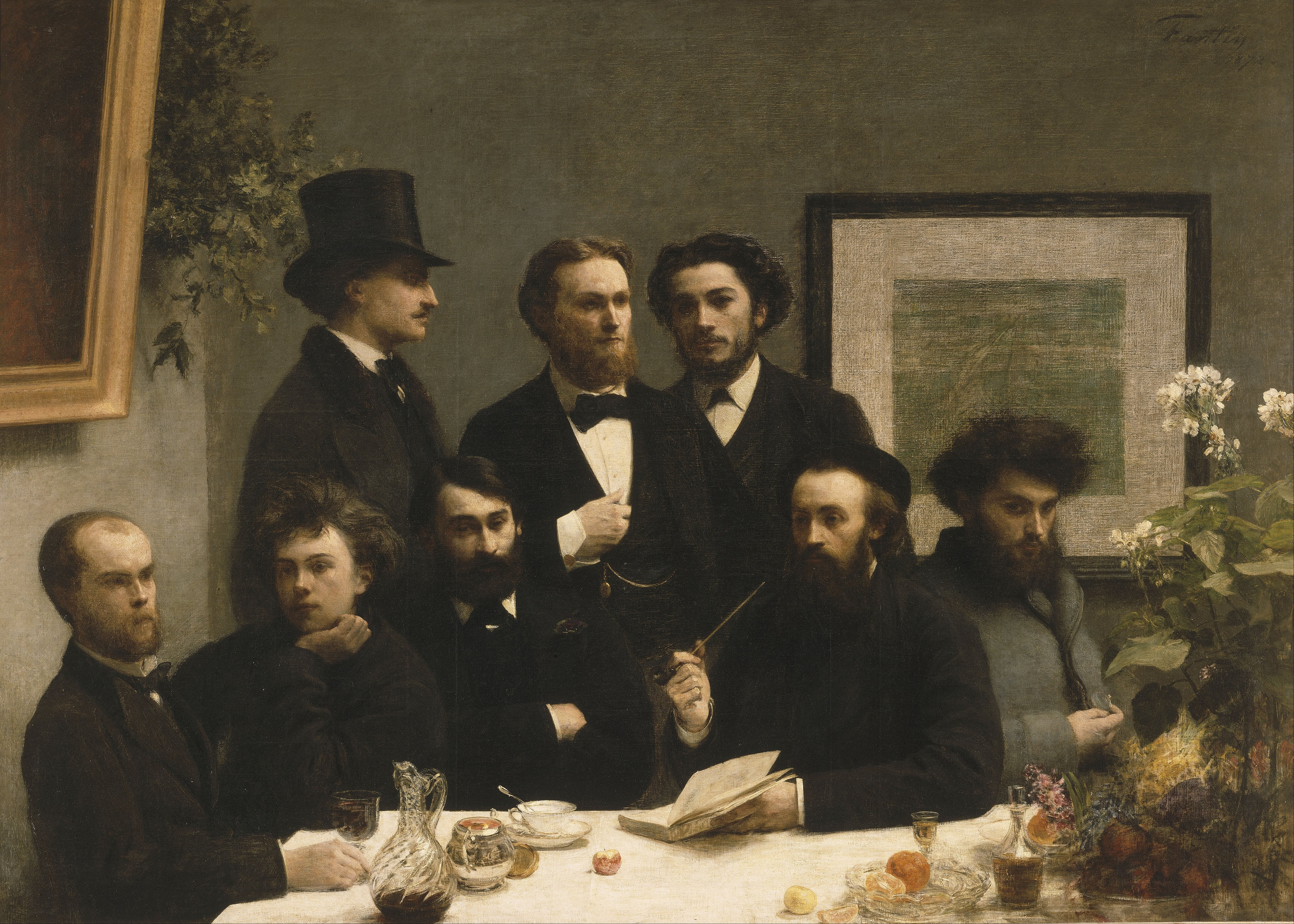
He received his first letter from another French poet named Arthur Rimbaud. Not only was Rimbaud a man but also less than eighteen years old and it so happened, as it sometimes happen, that they fell in love. Abandoning his wife and child, Verlaine travelled around London and Brussels with Rimbaud. Their relationship, marked by alcohol, opium, and hashish scandalised Parisian society and respected unfallen writers like Albert Mérat refused to be painted with Verlaine and Rimbaud declaring that he didn’t like to be painted alongside thieves and pimps. On July 12, 1873, in Brussels, Verlaine shot at Rimbaud with a pistol injuring his left wrist after a long and stormy affair. Rimbaud decided to leave Brussels without immediately pressing charges. On the evening of the incident, Verlaine and his mother accompanied him to the Gare du Midi where Verlaine behaved even more erratically. Fearing that Verlaine might shoot him again, Rimbaud sought police intervention, leading to Verlaine’s arrest. Verlaine was charged with attempted murder, underwent a medico-legal examination, and was interrogated about his relationship with Rimbaud. One of the police examination reports read, “In morality and talent, this Raimbaud (sic), aged between 15 and 16, was and is a monster. He can construct poems like nobody else, but his works are completely incomprehensible and repulsive.”
After the bullet was removed on 17 July, Rimbaud withdrew his complaint and the charge was reduced to wounding with a firearm, and on 8 August 1873 Verlaine was sentenced to two years’ imprisonment in Mons city jail. In jail, where Verlaine spent 555 nights, he composed his finest poetry.
The final years of Verlaine’s life was poverty, chronic illness, and alcoholism. He lived between slums, hospitals, and cafés with many illnesses like diabetes, ulcers, and syphilis alongside heavy absinthe consumption. His health steadily declined, and he died of pneumonia in Paris in January 1896, aged 51. He is now, however, considered among the four major figures of nineteenth-century French poetry, alongside Charles Baudelaire, Stéphane Mallarmé, and (inevitably) Arthur Rimbaud.
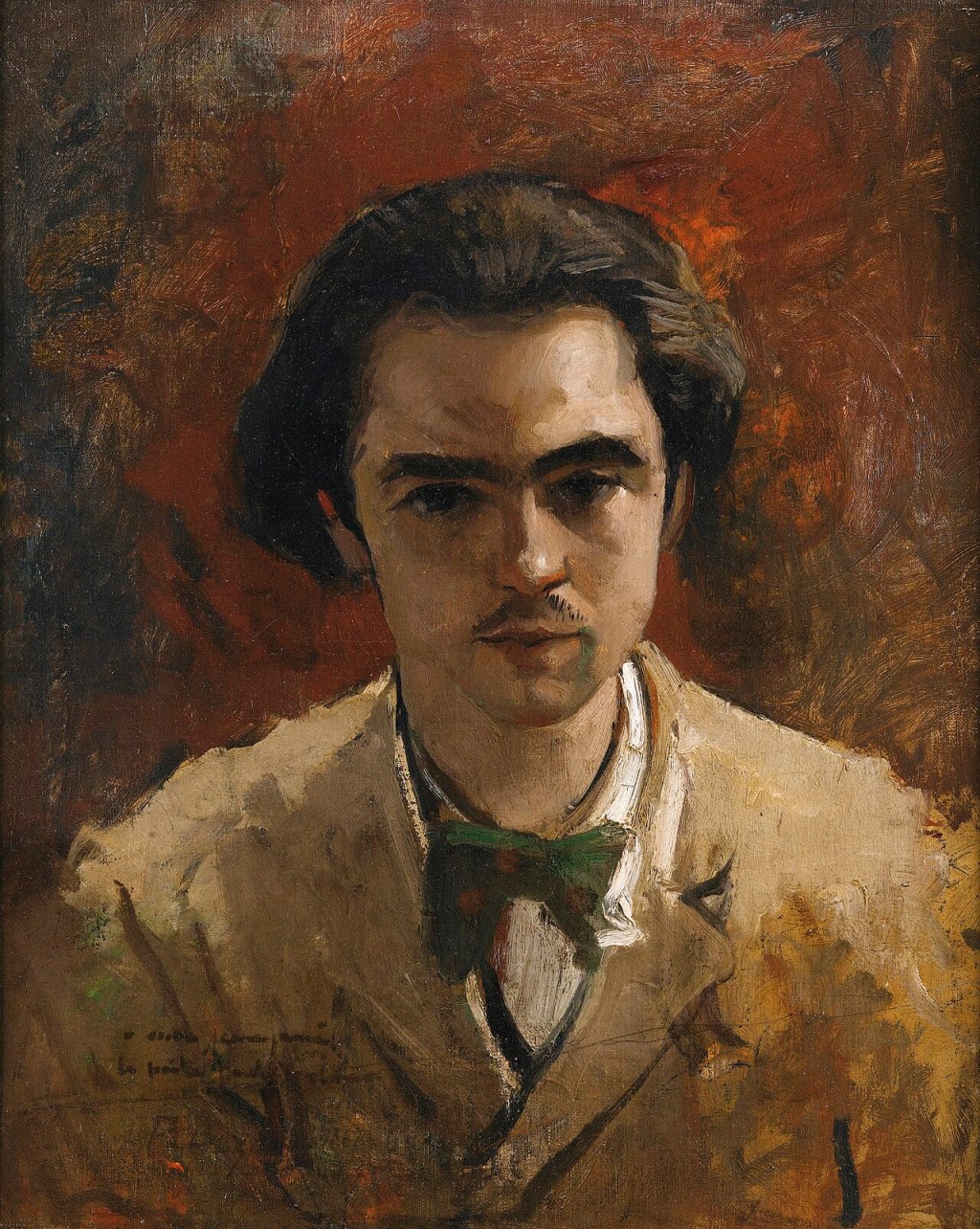
If one looks at his black and white photographs, the one in which he is young, it’s quite arresting: a young man with a sort of troubled regard, impeccably dressed in a three-piece suit like a true Parisian, and bearing the weight of a heavy moustache, he is the portrait of a poète maudit, accursed poet, a term used for poets at odds with society with a life marked with crime, insanity, and addiction. Verlaine himself composed a work titled Les Poètes maudits, as an homage to three other accursed poets (apart from himself): Tristan Corbière, Arthur Rimbaud and Stéphane Mallarmé.
I think I could never be a respectable person and I don’t think I would ever refuse to be photographed alongside thieves and pimps. I would like to walk in the rain, slightly drunk with absinthe, grateful for my accursed life. I would like to hold a rose in my hand that I know will wilt.

